Showing posts with label Tradition. Show all posts

Monday, July 5, 2010

Diwali Rituals, Deepawali Puja Rituals

Diwali RitualsDiwali is a most celebrated Hindu festival in India when people begin their preparations months prior before the actual day of celebration to make things ready well in advance. Indian festivals are incomplete with the observance of rituals and traditions. The same way, Diwali festival is a bunch of customary rituals performed on the whole five days of Diwali celebrations.

  • Each day has its own special kind of ritual like Dhanteras has the ritual of purchasing silver or gold ornaments, coins or household utensils to pray for Maa Lakshmi bestow her feet in their house. Special puja is performed to keep the Goddess happy.
  • Rangoli is another part of ritual associated with the day bringing beauty of different colors, flowers & flower petals inside as well as outside house, office, temple, business units and prominent areas where people can catch the colorful design of rangoli.
  • Little footprints with hands are made with rice flour and vermilion powder near the puja ghar and other areas of the house to represent Goddess Laxmi arrival.
  • Ritual of taking bath before sunrise can be seen in parts of Maharashtra and South India. This ritual originated from the killing of demon Narakasura by Lord Krishna commonly celebrated as Narak-Chaturdashi or Choti Diwali. After killing the demon, Bhagwan Krishna came back to his home where he was given scented massage and bath to remove uncleanliness since Lord Krishna smeared his forehead with the blood of demon. Since then the ritual has come into existence.
  • On the fourth day of Govardhan Puja, ritual of making a mountain with cow-dung to denote giant mountain is performed.
  • On the fifth day i.e. Bhai Duj, the ritual of knotting red thread on brother's wrist is practised by sisters.
There are various rituals associated with deepawali celebration in different regions of India but one must perform rituals with dedication and heart to receive fruitful result of their worshiping.

Tuesday, August 11, 2009

Diwali Fireworks - Tradition of Firework on Deepavali

Fireworks are part of every celebration, festival or occassion around the World but when we think of diwali in our mind, we get the image of colorful sparkling fireworks in the sky. Every year, people express their happiness and joy for this auspicious day of diwali by lighting fireworks at night. Kids and children enjoy loud noise of fireworks with their families. Since many years, the tradition of fireworks on diwali echo accross the nation. Everyone in India enjoys the beauty of fireworks at night. Watch out few exclusive pictures of diwali fireworks in India.
Diwali Fireworks Tradition of Fireworks on Diwali Diwali Firework Pictures

Sunday, July 5, 2009

Diwali in Delhi,Delhi Diwali Festival,Diwali celebrations in Delhi

Diwali in Delhi : The information about the Delhi Diwali festival and Diwali celebrations in Delhi..

Delhi represents a fusion of the entire North India culture. The festival of Diwali is celebrated with great zeal, pomp and show. There is an atmosphere of fun and frolic, which is set way before the festival comes. From President house, Parliament, Prime-Minster's residence, ancient monuments, temples to homes, every building is under the shining veil of lights of myriad colors.

Diwali in Delhi
Diwali festival in Delhi

Amongst the grand preparations of Diwali shopping is the foremost activity that Delhites love to indulge into. The famous shopping hubs of the city are Chandni Chawk, Kamla Market, Karol Bagh etc, which are jam-packed during the festive season of Diwali. They offer innumerable Diwali gift options that you will sit scratching your head there in the confusion of what to buy and what not. The flocking of a large crowd at the marketplace is the sign of prosperity of the buyers as well as of the shopkeepers who will earn a lot of money by selling their goods at such a large amount.


Diwali celebration in Delhi
Diwali night in Delhi

Delhi Diwali celebration, firework and light decorations

diwali decorations in Delhi temples, houses, offices and streets

Diwali in Tamil Nadu, Diwali Celebrations Of Tamil Nadu, Diwali Festival in Tamil Nadu

Diwali Celebrations Of Tamil Nadu

In Tamil Nadu, Diwali is widely known by the name of Naraka Chaturdasi and the month in which it is celebrated is called Thula. The festivities of Diwali start with the cleansing of homes, decorations with Kolam and then applying lime on the floor with four to five kumkum dots. The lights are twinkling all around through diyas, candles and other electric bulbs. The five days of Diwali are termed with different regional names. The names of the festivals in those five days are given following in a respective manner:

Tamil diwali festival tradition


1.Asweyuja Bahula Thrayodasi, Dhantrayodashi, Yamadeepdaan

2.Naraka Chaturdasi

3.Kaumadi Mahostavam, Karthigi Deepam, Balindra Puja

4.Bali Pratipada

5.Yama Dwitheya, Bhatri Ditya

Diwali in Tamil Nadu, Diwali Celebrations Of Tamil Nadu
Diwali Festival in Tamil Nadu

An oil bathe before the first crack of dawn marks the beginning of the auspicious day of Diwali. The head of the family applies sesame oil to the rest of the members of the family starting with the youngest one. As soon as every body is ready in their new clothes, they have lehiyan, a bitter herbal mixture. Not just it is customary to eat Lehiyan on the festive day, but the herbal mixture helps to prevent indigestion usually caused by overeating of festive food. The breakfast contains the traditional South Indian sweet dish called as Murukku along with their staple food idli or dosa. The afternoons are dedicated to the decorations and performing puja rituals. And finally comes the evening when the mirth of celebrations is flaunted with great fervor.

Diwali celebraitons in Tamil Nadu

There is an important belief associated with the tradition of bursting firecrackers by South Indains on this day. It is a symbol of destruction of the demon Narakasura. Certain community members in the region perform Pithru Tharpanan and in order to do it, they have to go for a second oil bathe. Another famous custom of natives of Tamil Nadu is to visit the home of their newly wed daughter and present to the couple lots of crackers.


With varied sects and communities in India, the celebrations of Diwali have got a unique dimension to it.

Diwali in Bihar,Diwali celebrations in Bihar, Diwali Festival of Bihar

Diwali in Bihar : All information about the Diwali celebrations in Bihar, Diwali Festival of Bihar

Situated on the banks of river Ganga, Bihar celebrates the festival of Diwali in the raw and rugged manner as the tradition goes by. For the entire Diwali season, Ganges becomes their dwelling place. All Diwali rituals are performed here and thus, with the color of festivity the banks of the holy river look like a fantasy land.
Diwali Festival of Bihar

The custom of buying utensils at the occasion of Dhanteras prior to the Diwali day, is a must among the native people of Bihar. The day of Dhanteras is associated with the legendary story of Samudra Manthan (churning of sea). People commemorate the emergence of Dhanvantri amidst the violent tides of the ocean. The rituals consist of observing fast throughout the day, which is broken in the dawn with traditional Indian dishes like puris, mitha khaja etc. In between the festival of Dhanteras and Diwali comes Choti Diwali, which is set for the preparations of the D-day. Cleansing of houses and decorating them with flowers, Rangolis and lights are completed. Crackers on a smaller scale are burst as well.


Diwali in Bihar,Diwali celebrations in Bihar

It is Diwali, when a flock of people start their day by taking bath with the nectarous water of Ganga. After they take an early bathe, prayers are offered to the Almighty. Kheel, batashe, khilone, sweetmeat etc are used as the object of offering and then are distributed among the devotees. Eating unripe coconut and having beetle is customary among them. People of Bihar still use farm products like paddy and grass baskets as gift items.

With their unique customs, traditions and rituals, it is more than apparent that Diwali celebrations in Bihar have retained the old traditional values and essence to a larger extent. Only one week after is the famous Chhath Puja, which brings once more the same enthusiasm as that of Diwali.

Bihar tradition for celebration of diwai

Friday, March 20, 2009

Tradition Of Exchanging Gifts

The festival of Diwali stands for wealth anda prosperity. As per the Hindu belief happiness multiplies when disseminated more and more. This explains the significance of exchanging gifts among loved ones. It indicates towards the rise in wealth. Moreover it spreads the spirit of brotherhood and love all over in the society. Diwali Tradition Of Exchanging GiftsThe history of Diwali gifts exchanging can be traced back with the birth of Christ when three Magi blessed the Lord with some precious ones. Studying the tradition on a deeper level tells us that even Christians have borrowed this custom from the Germans and Dutch. But in Indian context, the gifts can be identified with love tokens. In early days, people used to gift their loved ones with homemade items like sweets, decorative pieces etcetera.
As we know that India has a strong history of agrarian society, the farm products also made nice gift items. Therefore, at the age contemporary to Lord Rama's the aforementioned trends were widely prevalent.
Diwali Gift TraditionPresent times have seen tremendous changes in Diwali gifting patterns, specially in urban regions. Yet the essence behind it is the same. Only the food grains and homemade items have been replaced by dazzling Diwali Gift Hampers. Rather it has become a source of hike in the annual income. After completing the puja rituals, the gift exchanging ceremony is performed. During the Diwali season, market places are brimming with gifts of various kinds. Shopkeepers as well as companies offer fantastic discounts over all items that you would surely get tempted. Moreover, to welcome more and more customers the marketplaces are decorated with lights and ribbons of different colors.
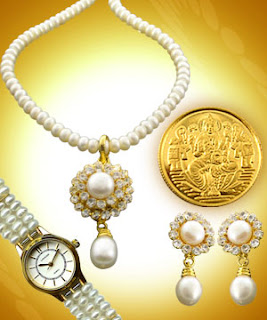
The craze of exchanging Diwali gifts is such that you can not miss it even if you are sitting in Singapore, Malaysia or Thailand. Even big malls offer all kinds of traditional Indian gifts and sweets. Traditionally, Diwali gifts are sweets, decorative items, gold or silver coins, idols of Lord Ganesha or of Goddess Lakshmi etc. These gifts transcend from being a material only from good wishes when presented with love.Tradition Of Exchanging Gifts on Diwali Festival

Tradition Of Rangoli on Diwali

Different regions have different names for Rangoli. For North Indians it is Chawkpurana, for South Indians it is Kolam, in Bihar it is Aripana and for Bengalis it is Alpana . Yet the beauty of it remains the same all over. A combination of multifarious colors just as similar to as we see in a kaleidoscope. Such a bewitching piece of art is colorful Rangoli. In a Rangoli we can see the rich heritage and culture of India.

The origin of the tradition of Rangoli can be traced back in Chitralakshana. The story behind Rangoli goes like this. It is believed that the son of a King's highest priest died and Lord Brahma asked him to draw a portrait of a boy who is a lookalike of the deceased one. This was the initiating point of Rangoli tradition. For Hindus and Buddhism, Rangoli is also a symbol of 'Maya', that is the mundane world.

As per Indian cultures and traditions, the guest is a form of God himself as they say "Atithi Devo Bhava". Rangolis serve for showing hospitality to the guests. As Diwali is the time of inviting kith and kin, Rangoli is the best way to welcome them. This is also the auspicious time of the year when Goddess Lakshmi is out to visit every home. With Rangoli and Diyas, people welcome her too. Rangoli tradition on diwaliTraditionally, Rangolis are made with the holy items like rice, abir/ gulal, colorful sand, aata, daal etc. Natural flowers are also added to accentuate it's elegance. Not only colors but light too is included to highlight it. One can draw geometrical figures, domestic symbols, religious icons etc with colors to make Rangoli. The foot prints of Goddess Lakshmi is a must in Rangoli during the festival of Diwali. It is believed that these foot prints would bear wealth and prosperity.
Diwali Rangoli TraditionsMaking Rangoli is one of the vital activities on the eve of Diwali along with performing puja rituals and bursting fore crackers. Specially, Kids and womenfolk in the household love to indulge in it. It is a good idea to celebrate the festival. So, while diyas and firecrackers brightens up the aura, with Rangoli add colors of fun and happiness to the festival.
Tradition Of Rangoli on Diwali

Monday, January 12, 2009

Prayer on Diwali, Diwali Prayer, Traditional Diwali Prayers

Diwali is also considered to be the Hindu New Year. It is the occasion when the whole Hindu community is drenched in the mood of celebrations & happiness. The reason is not one but many. It is mentioned in the Pauranik Granthas that Diwali brings along a very auspicious time period of the year.

Offering prayers to Deities relevant to the festival is common to almost all Indian festivals. On the festival of Diwali, Hindus offer prayers to Goddess Lakshmi & Lord Ganesha with great devotion. It is believed that Goddess Lakshmi visits every home on Diwali and brings along peace and prosperity to all. After the Sun sets, Lakshmi Pujan is performed in all homes. The appropriate Muhurat is calculated by Pandits following Astrological rules.

Prayer on Diwali, Diwali Prayer, Traditional Diwali Prayers

Items required for performing Diwali Puja include, uncooked rice, paan leaves, camphor, kumkum, sweets, dry fruits, gold or silver coins etc. Naivedya of traditional sweets is offered to the deities and then songs in praise of Goddess Lakshmi and Lord Ganesha are sung with great fervor. Panchamitra made up of five ingredients milk, curd, ghee, sugar & honey is also an essential item in Puja. Five Diyas are placed before the idols of the deities.

Lord Ganesha is worshiped before commencing for any kind of work. As Diwali is the New Year for Hindus, offering prayers to Lord Ganesha becomes obvious. For Ganesha Puja, Ganesha Arti is sung. The deity is offered Motichoor Laddoos and the same laddoos become prasad for the puja.
Traditional Diwali Prayers
Lakshmi Pujan is another important activity of the festive day of Diwali. Petals of various freshly picked flowers, especially Lotus are placed in the feet of the Goddess. Placing silver or gold coin soaked in Panchamitra is one of the important Lakshmi Puja rituals. Again as in Ganesha Puja, Lakshmi Arti is performed while showering flowers on the idol of Lakshmi. Lakshmi Puja holds a lot of importance for the Business community in India.

All these puja ritual are then followed by exchange of gifts ceremony. The religious aura changes into a fun & frolic one. Everyone fire crackers and enjoy good food. An atmosphere of jubilation is all around. Loved ones spend moments of happiness together and create fond memories to cherish life long.
Diwali prayer at home with family

Process of Diwali Puja

According to Hindu mythology, it is believed that in order to please the gods and goddess, the exact process of Diwali puja be followed. Therefore, for performing the vital and significant Diwali puja, people learn about the Diwali puja process and then go for it. Otherwise, they ask the pujariji or the Brahmin to perform the Diwali puja with correct rites and rituals. On the contrary, it is also said that if the puja process is somehow incorrect, it can cause negative effects. Hence, people are very careful regarding the worship of gods and goddesses and while performing puja.

Diwali is the most loved festivals of Hindus. It is the bringer of prosperity, wealth and good luck. On this day, Goddess Lakshmi and Lord Ganesh are worshiped with great devotion and care. Generally, it is at night that the puja is performed. People assemble all the puja items and lit up rows of diyas and candles for the puja. The puja is done to remove darkness and to usher in light of hope, knowledge and devotion. So, let us learn the perfect Diwali puja process:

  • Initially, the puja room is cleaned. Then the idols of lord Ganesh and Lakshmiji is washed with water. Then, the idols are washed finally with the water of River Ganga for ultimate purification.
  • Both the gods are dressed in new bejeweled clothes and placed on their 'asana'. Lord Ganesha is placed on the right side and Lakshmiji on the left.
  • Then, they are offered flowers and garlands are out over them.
  • The diyas are lighted and put in front of the deities. Essentially, people light five diyas and five candles also. They light incense sticks
  • too. 'Panchamrit' is made from honey, milk, curd, sugar and ghee.
  • Then, 'mithais' or Diwali sweets are offered coupled with some other delicacies. With this, abir, sindhoor and haldi are also poured over the deities.
  • Finally, fruits and 'dakshina' or cash money is offered too.
  • After this, Ganesh aarti is sung accompanied with Diwali aarti for Laskmiji. And the plate of the diyas is circled around the deities.
  • Thereafter, the general Aarti called 'Om Jai Jagdish' is also sung.
  • After the aarti is over, prasada is distributed among all the devotees present.

Lakshmi Pujan - Godess Laxmi prayer

Diwali Lakshmi puja is the major event of Diwali celebrations. Indeed, Diwali means worshiping Goddess Lakshmi. Particularly in the Northern and Western India, Lakshmi puja is performed on a large scale and with numerous rites and rituals. On the third day of the festivity i.e. on the day of Diwali Lakshmi Puja is performed in a grandeur way. Goddess Lakshmi is earnestly worshiped in every household and business establishments after sunset to increase the flush of cash in the family.

Lakshmi puja on Diwali holds a great significance. People perform the puja of the Goddess of Wealth and Prosperity to earn wealth and riches of the world. According to Hindu mythology, it is believed that Goddess Lakshmi visits every house during the dark night of Diwali and gives blessings of peace and prosperity only to those who light lamps and keep their house illuminated the whole night. Therefore, people light up lamps in the house in order to light the path of Goddess Lakshmi and welcome the 'Goddess of Wealth and Prosperity'.

n fact, people also keep their main doors open the whole night to get the blessings of the Lakshmi on Diwali. Cleaning and whitewashing is also an essential element of the Diwali celebrations or to perform Diwali Lakshmi puja. People believe that Goddess Lakshmi loves cleanliness and visits the cleanest house. Hence, on the day of Diwali, in some places broomstick is worshipped with haldi and kumkum i.e. turmeric and vermillion respectively.
Diwali Lakshmi puja is a combined puja of five deities:

Lord Ganesha,
Mahalakshmi-the Goddess of Wealth and Money,
Mahasaraswati-the Goddess of Books and Learning
Mahakali (Goddess of Strength, goddess of Destroyer and Preserver)
Kuber-the Treasurer of the Gods) is yet another part of Lakshmi puja on Diwali.

The history of the Diwali Lakshmi puja dates back to the event of churning of the milk ocean by gods and demons. It was believed that the Wealth goddess took refuge in this ocean and was reborn due to churning of the ocean. Thus, Diwali is a celebration to commemorate the rebirth of Goddess Lakshmi. i is regarded as the goddess of beauty, light, cleanliness, wealth and good luck. She is the daughter of Bhrigu hermit.

Ganesh Pujan - Prayer of Lord Ganesha

Diwali celebration calls for Diwali Ganesh puja as well as Lakshmi puja (link to Diwali Lakshmi puja). In fact, worshipping Lord Ganesh, the God of wisdom is mandatory before worshipping any other gods and goddesses. Therefore, for Diwali puja, people purchase the idol of Lord Ganesha and Goddess Lakshmi. Diwali Ganesh puja is a vital part of the Diwali celebrations. In fact, Diwali is essentially the festival of worshipping both Ganesh and Lakshmi. Traditionally, it has come down from Hindu mythology that Lord Ganesh shares the puja space with Goddess Lakshmi. In fact, Lord Ganesha is the most revered Indian god.

Since time immemorial we have seen that any puja or auspicious work begins with the name of Ganeshji. And it is considered auspicious The son of Lord Shiva and Goddess Parvati (God of Destruction and Restoration; Goddess of Plenty, respectively), Lord Ganesha is the elephant headed God. He is worshipped on almost all the occasions. People call Him by varied names like Ganpati, Mangal Murti, Ek Dant etc. He is the God of good luck and fortune. People believe that this God helps us overcoming our obstacles or hurdles and lead us to the path of success. Thereby, He is also known as 'Vighneswara' i.e. the end of obstacles.

On the dark night of Deepavali (link to the index page of Diwali), Ganesh puja is performed with different Diwali puja traditions and customs for success, good luck and to overcome the problems and to pray that upcoming year should be filled with happiness. For the Diwali Ganesh puja, He is placed on the right and Goddess Lakshmi is kept at the left side. Hindus believe that Ganesha should always be kept happy in order to ensure smooth accomplishments. Since, Lakshmi is the Goddess of Wealth and Prosperity, both are worshipped together that while Lakshmiji brings fortune, Ganeshji helps removing the obstruction. He is also the Lord of Wisdom.

Govardhan - Padwa Puja

Diwali brings along the auspicious time of the year when many other festivals are celebrated too. Among the five consecutive days of Diwali celebrations, Govardhan Puja or Padwa Puja is celebrated on the fourth day. It is a day devoted to the great Lord Krishna. People sing in praise of the deity and dance in order to rejoice as Lord Krishna saved the natives of Gokul from the wrath of God Indra.

The story behind Govardhan Puja is very interesting and is full of preposterous events. In the Dwapar Yuga, Lord Krishna, who was known in Gokul to have a divine origin asked the natives to stop offering prayers to Lord Indra and present the offerings to Govardhan Parwat.

People, although reluctantly offered all food to Govardhan Parwat, which was actually eaten by little Krishna. God Indra got furious and his rage came to Gokul natives in the form of a dreadful storm. Everybody got scared for their life and asked Shri Krishna to help. He lifted the gigantic Govardhan Parwat on the tip of his tiny fingers. And the complete population of Gokul took refuge in it.

This story is one of the most amazing tales of Krishna “Bal Leela”. Watching the kid Krishna performing such a divine act, all were convinced that he is the Avatar of a God and therefore himself is a deity. Ultimately, Indra had to apologize for his deed.

On the auspicious occasion of Govardhan/Padwa Puja, the idol of Lord Krishna dressed in flashy attire and adorned with gorgeous jewelry is given milk bath. In Northern regions of India, like Punjab, Haryana and Uttar Pradesh, people make cow dung hillocks and worship them. A huge bhog ( food offerings to the deity ) of fifty six delicious dishes . This may contain, pulav, pickles, cooked vegetables, sweet dishes and many more. The assortment of these delicacies are called 'Annakoot'. All these are initially presented to the idol of Lord Krishna and then served among the devotees after the end of all the rituals.

After all the puja ceremonies are done people sing bhajanas in praise of Lord Krishna and dance along. The sounds of dholak, harmonium & chimta make the aura ethereal. And the worshipers are lost in it.

Tuesday, December 30, 2008

Diwali history, History of Diwali, Diwali Day History

Diwali history dates back to thousand of years. Still today, people remember the history of Diwali and narrate it to others and children. One of the most celebrated Hindu festivals is Diwali. Celebrated with grandeur, Diwali falls in the month of 'ashvin' or October/November. This year Diwali will be celebrated on 17 October, 2009. People will once again thank God for his bountifulness and benevolence and ask the same for the next year. So, let us know about the significance of Diwali history.
Diwali history, History of Diwali, Diwali Day History
All over the nation, Diwali is celebrated for five days. The first day is known as Dhanteras or Diwali Trayodasi. The second day is known as Narak Chaudas. Popularly, it is known as Choti Diwali. The third day is the actual celebration of Diwali. The fourth day is the day of Govardhan pooja, dedicated to the worship of Mount Govardhan and the fifth day is enjoyed as Bhai Dooj that is the day for brothers and sisters. So, there is some history associated with each of the day
The celebration of Dhanteras initiated with the well known history of Diwali. It is believed that Lord Dhanvantrari had appeared when the ocean of milk was churned by both the gods and demons for 'amrit'.

History of Diwali
This Lord Dhanvantari was the incarnation of Lord Vishnu and a form of ayurvedic medicine. The Lord proved beneficial for mankind. A famous Diwali history for the celebration of Narakachaudashi is related to a demon called Naraksura who was killed by the Lord Krishna. The demon had imprisoned about sixteen thousand daughters and other women of gods and saints in his harem. He had also defeated Lord Indra in one of the battles and snatched the earrings of mother Goddess Aditi. So, after he was killed people and women were relieved and they enjoyed the day as Narak Chaudasi.
Diwali celebrations, diwali day historic story
The Day of Diwali-the third day is celebrated as the return of Lord Rama. He was crowned the King of Ayodhya. Hence, people lit rows of diyas and there were aerial fireworks too. Another Diwali history relates to the worship of Mount Govardhan on the fourth day. Lord Krishna lifted the mountain in order to save people from the thunder and rain sent by Lord Indra.

Origin of diwali
Diwali © 2012-13 Design by:
Blogger templates || Privacy Policy